Don’t Overlook Heavy Equipment Glass During Your Year-End Fleet Inspections
Why Heavy Equipment Glass Matters During Year-End Inspections
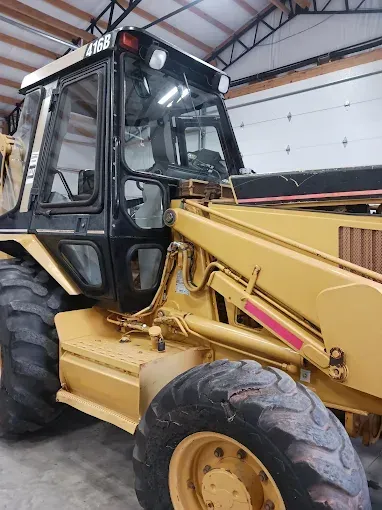
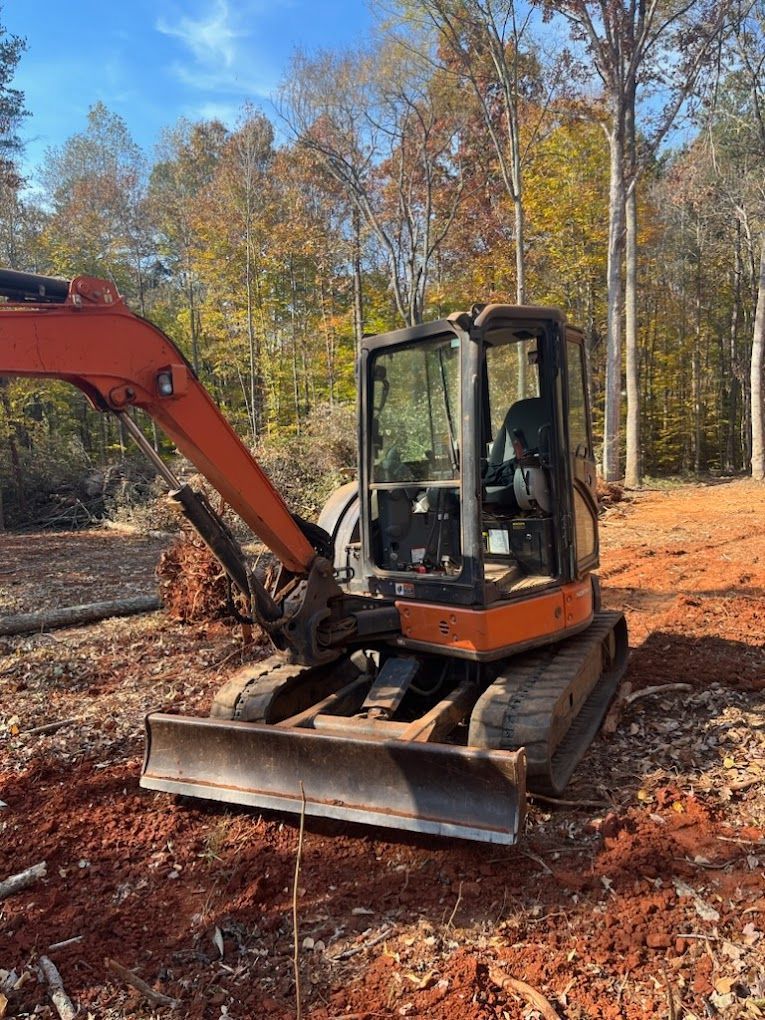
Heavy equipment glass should be part of every year-end fleet inspection. Cracks, damaged seals, distorted glass, and worn visibility components can affect safe operation and lead to preventable downtime when an excavator, loader, bulldozer, or backhoe is needed on a job.
Cab glass is easy to overlook when an inspection already includes engines, hydraulics, undercarriages, tires, buckets, blades, and other high-wear components. The machine may still run with a cracked window, but that does not mean the damage should wait. A small defect can spread, allow water and debris into the cab, or make it harder for the operator to see people, equipment, and changing conditions around the machine.
Adding glass to your year-end checklist gives you time to plan service around scheduled maintenance instead of reacting after a pane fails. It also gives your team a chance to document damage across the entire fleet and decide which machines need immediate attention.
Why Cab Glass Belongs on Your Inspection Checklist
Heavy equipment cab glass supports visibility, operator protection, and the enclosed environment inside the machine. The windshield and surrounding panes help shield the operator from dust, dirt, weather, and flying debris while preserving a clear view of the work area.
Even damage outside the operator’s direct line of sight deserves attention. Cracks can spread through vibration, equipment movement, temperature changes, and repeated stress. A loose seal can allow moisture and dust into the cab. Deep scratches, pitting, and cloudy areas can also create glare or distortion that becomes more noticeable under work lights or direct sunlight.
OSHA requires cab glass on covered construction equipment to be safety glass or an equivalent material that does not introduce visible distortion affecting safe operation. Certain equipment inspection standards also specifically call for checking cab windows for significant cracks, breaks, or other problems that interfere with the operator’s view. The equipment manufacturer’s requirements and the regulations governing your operation should guide the final service decision.
What to Check on Excavators, Loaders, Bulldozers & Backhoes
Start with clean glass so dirt does not hide chips, scratches, or damage around the edges. Inspect each pane from inside and outside the cab, paying particular attention to areas near frames, mounting points, hinges, and latches.
Your year-end heavy equipment glass inspection should cover:
- Cracks, chips, and impact points: Record the size and location of each damaged area. Damage near an edge or mounting point may be more vulnerable to spreading.
- Scratches, haze, and pitting: Look for anything that creates distortion or glare through the operator’s normal viewing area.
- Missing or broken panes: Do not treat a missing or broken pane as a temporary condition when the machine was designed to operate with protective glazing.
- Seals and gaskets: Check for gaps, deterioration, movement, and evidence of water, air, or dust entering around the glass.
- Sliding windows, latches, and hinges: Confirm that movable panes open, close, and remain secured as intended.
- Wipers, washers, and defrosters: Make sure the equipment used to clear the windshield works properly and does not drag damaged blades across the glass.
- Mirrors and other visibility components: Inspect them for cracks, loose mounts, and distorted viewing surfaces while you are already evaluating the cab.
- Previous glass work: Review repaired or replaced areas for leaks, movement, damaged trim, or other concerns that should be corrected.
Photographing each problem and recording the machine number helps you organize repairs across multiple assets. It also gives the glass technician useful information for identifying the correct pane and preparing for service.
Small Glass Problems Can Create Unplanned Downtime
A machine with damaged glass may remain operational until vibration or another impact causes the crack to spread. Once the pane becomes unstable, the equipment may need to be removed from service immediately. The resulting interruption can affect operators, job sequencing, equipment rentals, and the other crews waiting for that machine.
Year-end inspections let you group known glass problems and schedule them during a planned maintenance window. This is especially helpful when the fleet contains different manufacturers, machine ages, or cab designs. Some panes may be readily available, while others require additional identification or custom fabrication. Finding that out before the next major project gives you more control over the schedule.
Delaying replacement can also expose the cab interior to rain, dirt, and jobsite debris. Damage that began with one pane can then create additional cleaning or interior maintenance needs. Correcting the glass and its surrounding seal helps restore the enclosed working environment the machine was designed to provide.
Decide Which Glass Problems Need Priority
Prioritize damage that obstructs the operator’s view, weakens a pane, leaves an opening in the cab, or prevents a window or door from closing securely. Significant cracks, shattered glass, loose panes, and failed seals should move ahead of cosmetic blemishes that do not affect visibility or function.
The correct solution depends on the type of glass and the extent of the damage. Heavy equipment glass is not always interchangeable with standard automotive glass, and a damaged pane should not be replaced with whatever material happens to fit the opening. The new glass must match the machine’s requirements and provide the necessary fit, visibility, and safety characteristics.
Older machines and specialized equipment may require custom-cut glass when a standard replacement is unavailable. All Action Auto Glass can evaluate the opening, fabricate glass for qualifying applications, and install the replacement without automatically requiring you to purchase an entire equipment door.
Mobile Glass Service Keeps Equipment at Your Facility
Mobile heavy equipment glass service allows the machine to remain at your yard, shop, or jobsite when the location is suitable for the work. You avoid arranging transportation for equipment that may be difficult or expensive to move solely for a damaged pane.
Before the appointment, provide the machine’s manufacturer, model, serial information, affected pane, and clear photos when available. These details help identify what the job requires before the technician arrives. The service area should also give the technician safe access to the equipment and enough room to remove and install the glass properly.
Coordinating several machines at once can make a year-end maintenance period more productive. Instead of waiting for each damaged pane to become an emergency, you can address known problems across excavators, loaders, bulldozers, backhoes, and other equipment as part of one organized inspection cycle.
Schedule Heavy Equipment Glass Service in Charlotte, NC
All Action Auto Glass has more than 30 years of experience with personal, commercial, and heavy equipment glass. Our certified technicians provide mobile jobsite service, custom fabrication for qualifying applications, and replacement solutions designed to limit unnecessary equipment downtime. Every completed job is backed by our lifetime workmanship guarantee.
We serve commercial operations in Charlotte, Fort Mill, Gastonia, and Lowell. Contact All Action Auto Glass to review the glass problems found during your year-end fleet inspections and schedule service before your equipment returns to a full workload.